

When analysing the spirit and structure of networks, we realize that they hold three main pillars and challenges: resilience, leadership, and mindset. Indeed, it is about keeping the network alive in a fast, somewhat uncontrollable growth, within a strong leadership, although extremely creative in an “out of the box” strategy, for which an innovative mindset is needed.
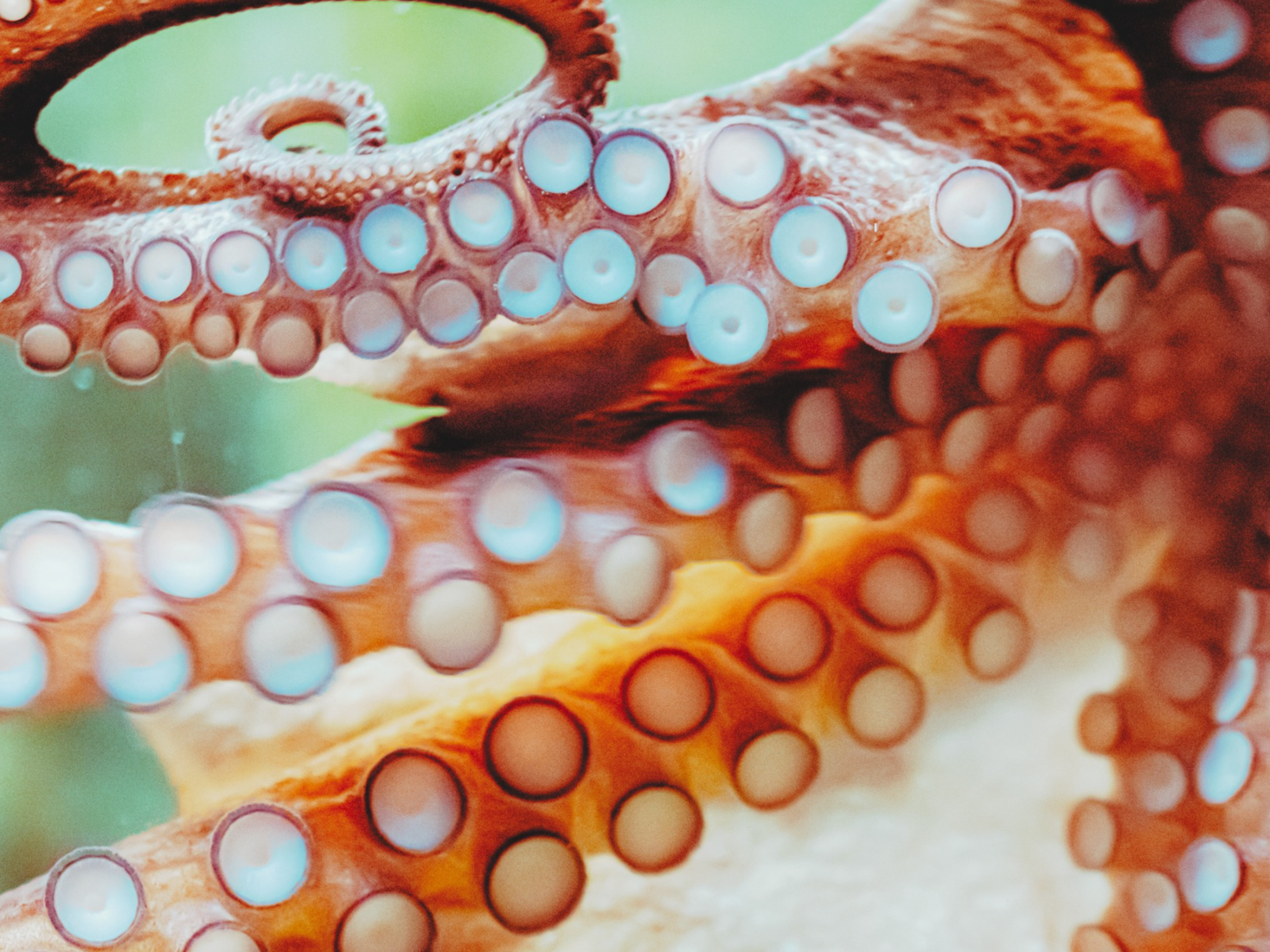
Three pillars that define if a network is leading in a sustainable way of not: The same as an octopus that have 3 hearts: one pair carries blood to the gills, and two promotes circulation to other body regions. A whole ecosystem in just one body, that suggests networks are uncontrollable and make their own choices, marking the path of their members -and not the other way round- . The capacity to interpret their direction will eventually give us the answer for a flexible strategy in the medium term. Is not only when we analyse octopus’s body structure and personality [1]. that we may establish similarities across networks, learning from their amazing capacities to survive and transform itself. Let´s start by saying that they are highly intelligent animals, showing a good memory, the same as networks that evolve almost alone within a unique high capacity, keeping memories from their past actions, and members, that uplift them or destroy them equally. Although, by creating their own dynamic rules and conditions, they can fix internal frictions. A true ability to solve problems, also a special feature from these animals. A body that is very flexible and can squeeze through small cracks and crevices, it reminds us how networks “squeeze” through many of the multiple challenges: financial crisis, pandemics, super technology, etc., adapting almost without efforts. A very special skill from networks is that they can regenerate themselves, surprisingly without losing their essence or/and purpose. The same we can say about the octopus that once caught by one of its tentacles, it can detach itself and regenerate itself after a while, without causing irreversible damage. Moving by a powerful and transformative creativity, networks, use it like the siphon of water for the octopus: to expel water to propel forward. However, an aggressive competition keeps networks constantly in alert mode, like escaping from predators, by using their particularly ink: steady intellectual and logistic production. A pure survival engine, that let them blend almost instantly with its surroundings by camouflage, that allows them to adapt to any circumstances, particularly conflictive. The latest ability creates a new network that takes the “colours” of their members, and cultures. Is precisely this rare ability to imitate colours one of the powerful tools that let them grow and develop, evolving into a new entity. Actually, the question is how we lead networks that are supposed to be independent, flexible, and regenerate themselves, like powerful entities that move and grow by their own? The answer is far from easy as we move from traditional leadership´s codes that constrain our capacity to see beyond, making leadership equal to engagement, when it is not. Like water in hands, traditional leaders try to control the uncontrollable: a process that holds their uniqueness. Therefore, leading but not engaging with their members. An action based on a massive deployment of resources, and protagonism from the leaders, sadly, with no commitment to grow like a computer network: a group of interconnected nodes that exchange data and resources with each other.When there are interaction, exchange, connection, and creation, without properly leadership, the group takes over and builds their own synergies. A clear example of engaging without leading. A weird but extremely effective way to take the network to the next level: is the concept that I named: “leadership Zero”[2]. We live in the “Zero era”: zero meditation, zero training, net-zero impact, zero debate, etc. All of them evoke the idea that by reducing our efforts and resources, we will maximize the output; therefore, within a results-driven approach coming from a new mindset. As the concept of Zero waste, it is not about simply zero landfill, yet, about a whole process of management for which all the elements are part of a process of repurposing. Becoming a true leader adapted to the current network challenges is also about giving leadership to others in a horizontal way that changes with time and goals in a specific time. Clinging to networks is one way to recycle leadership and learn from networks entities that, as octopuses, hold their own and especial personality. The leader is present without expecting to be followed, creating synergies without being precisely aligned with leaders ‘expectations. A new leadership: no charismatic, no hierarchical, not necessarily powerful in individual terms, although with the power to make huge changes in the medium term. A process that demands resilience, open mindset, and a positive attitude based on patience and tolerance.
The shape of a network, the spirit of an octopus.
100% networks, zero leaders: the future is here!
[1] https://definicion.de/pulpo/
[2] https://thesustainabilityreader.com/2021/05/07/the-zero-leadership-era/

 thesustainabilityreader